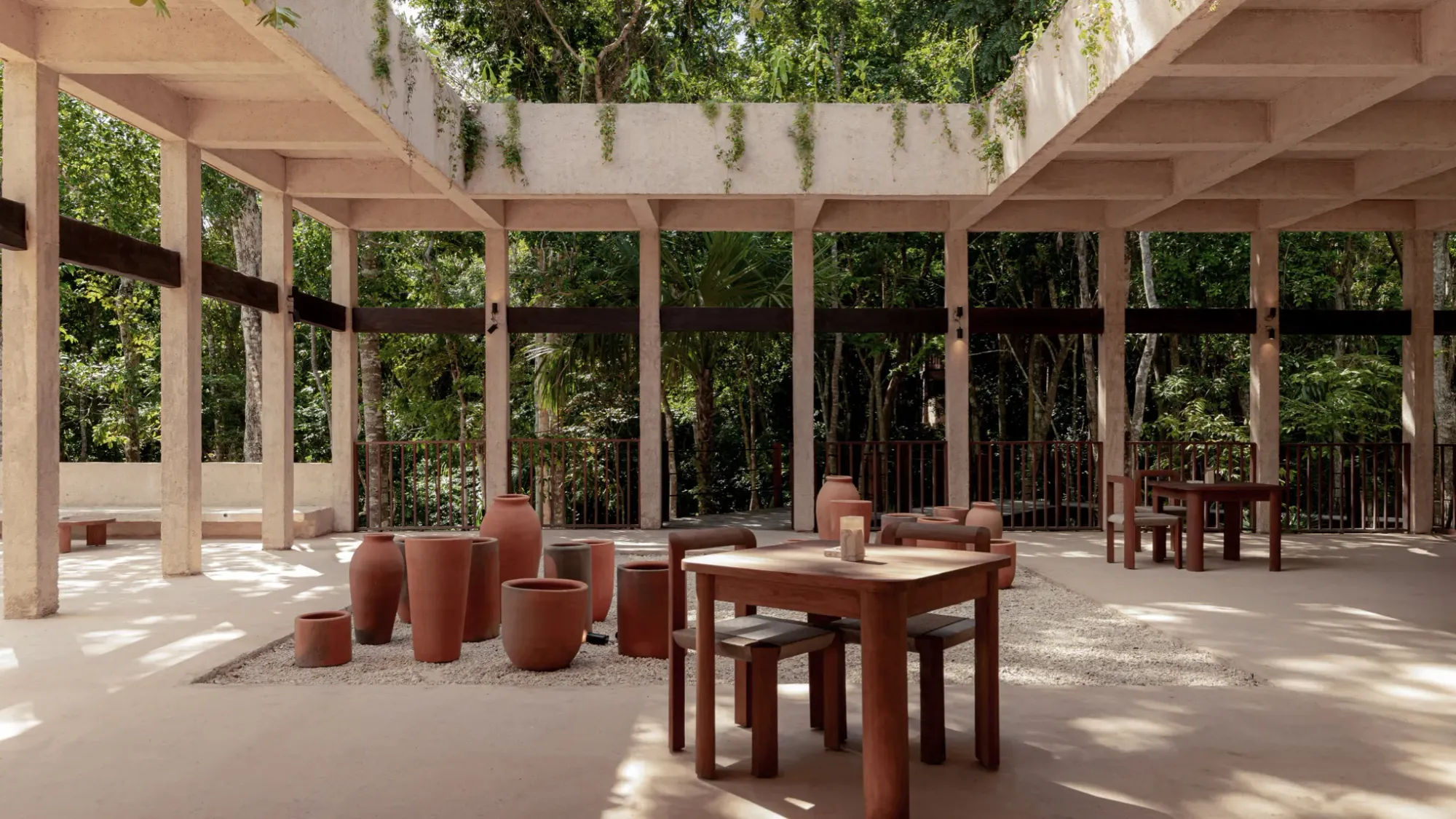


Hospitality has always been measured by how well a place makes people feel. As travel becomes more demanding and urban life more overstimulating, guests are increasingly drawn to environments that restore their sense of ease. Biophilic design answers this need by reintroducing natural elements and patterns into spaces where people come to rest, recalibrate and reconnect with themselves.
Humans respond instinctively to cues from nature. Sunlight steadies circadian rhythms. Greenery supports emotional regulation. Organic materials soften visual intensity and create a sense of grounding. These influences operate quietly, but their impact is extensive. Guests settle more quickly, their stress levels drop and their attention becomes steadier. In hospitality settings, where first impressions and emotional tone shape the entire experience, these responses matter.
Studies in environmental psychology show that exposure to natural elements can reduce stress and support cognitive restoration. For hotels, this becomes a strategic advantage. A lobby with generous daylight and a coherent natural palette encourages slower breathing and a more relaxed pace. Guest rooms that incorporate views of greenery or integrate natural textures create a calmer atmosphere that supports restorative sleep. Public spaces with controlled sensory input and biophilic features become places guests choose to spend time, rather than simply pass through.
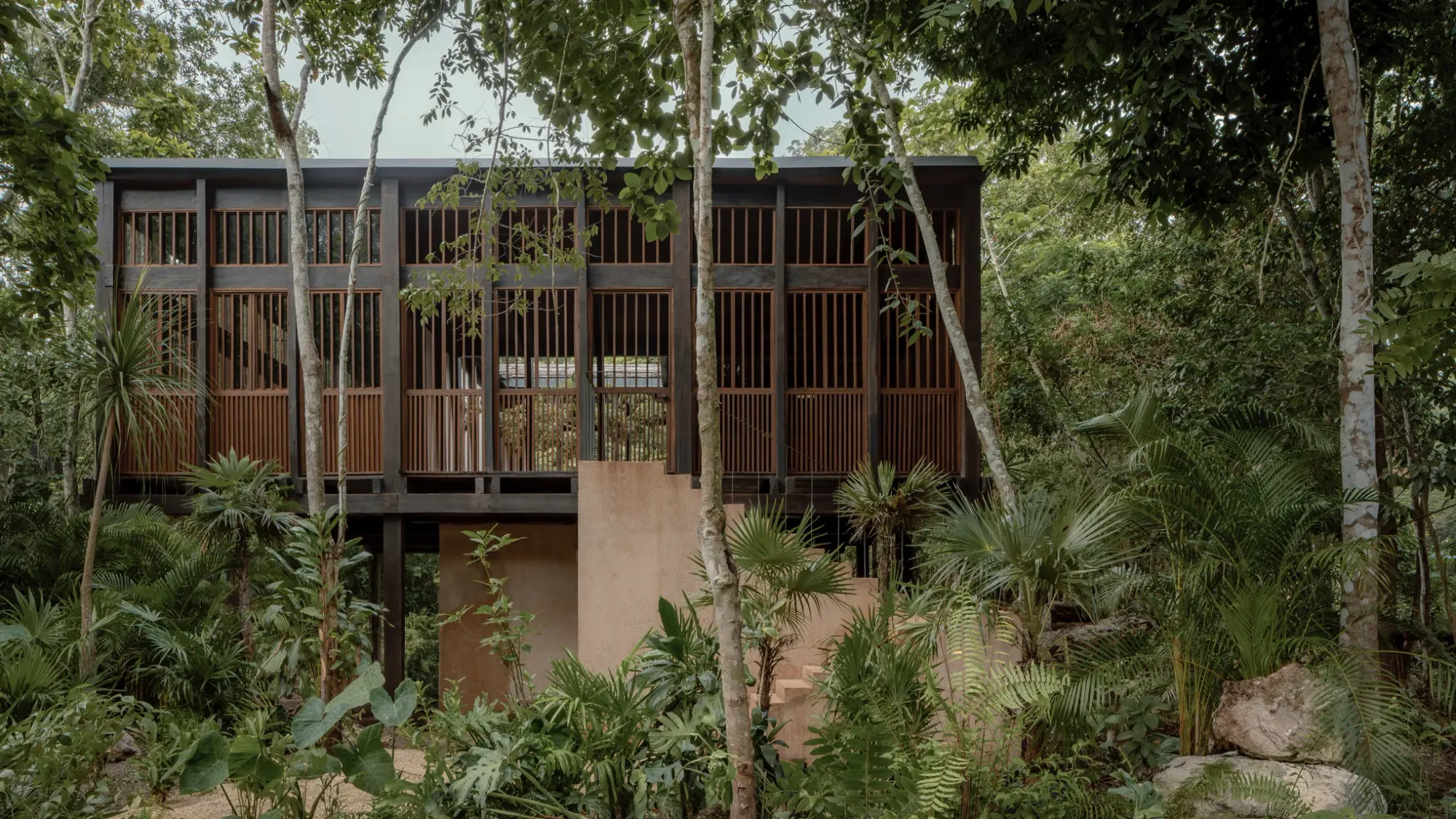
Biophilic design also strengthens the character of a property. The way natural elements are integrated, through landscape design, materials, light, scent and spatial arrangement, shapes a hotel’s identity and deepens the emotional impression it leaves. Guests often speak about how a place felt before they describe what it looked like, and biophilic environments consistently produce stronger, more positive memories.
There is a clear operational dimension as well. Staff working long shifts in visually harsh or windowless areas experience faster cognitive fatigue. Introducing natural light where possible, improving air quality and incorporating micro-restorative zones can improve focus, stamina and overall morale. When employees feel better in their environment, guests feel it too.
The hospitality industry is beginning to recognise that guest satisfaction is closely linked to environmental conditions that support psychological ease. Biophilic design provides a research-backed framework for creating spaces that nurture that ease. The most compelling hotels today use nature not as decoration, but as a fundamental design principle that shapes every aspect of the guest experience, from the lobby threshold to the quiet corner of a room.