


Cognitive capital refers to the mental resources people rely on to think clearly, make decisions, solve problems and regulate their emotions. It includes attention, working memory, mental stamina and the ability to switch between tasks without losing clarity. These capacities shape how someone performs throughout the day, and they fluctuate more than most people realise.
The environments we inhabit have a direct influence on this form of capital. Every space either protects it or erodes it. When an environment is visually chaotic, poorly lit or filled with unresolved sensory cues, the brain spends more energy navigating those conditions than it does engaging with the work at hand. The effect is gradual at first: a dip in concentration, a shorter tolerance for interruptions, a sense of fatigue that arrives earlier than expected. Over time, these patterns turn into reduced cognitive availability, even among highly capable people.
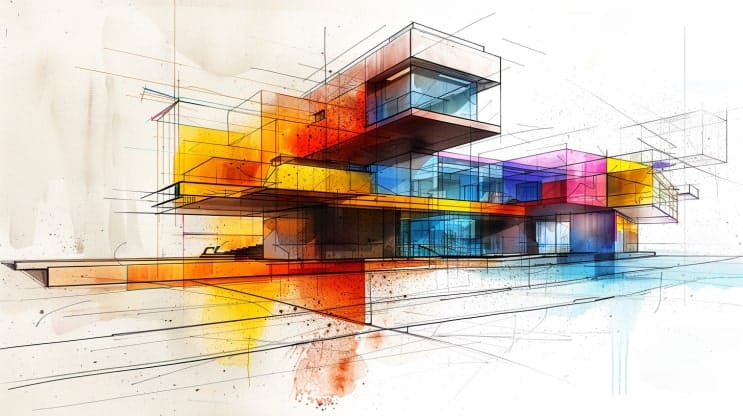
Design plays a central role in how that capacity is preserved. Spatial clarity reduces the mental effort needed to move through a place. Balanced lighting steadies alertness. Thoughtful organisation removes unnecessary decision-making. Calmer sensory conditions allow the brain to recover in the background, even while someone is still working. When these elements are considered together, the environment strengthens cognitive capital rather than draining it.
This matters because most modern roles depend on sustained attention and complex reasoning. People cannot operate at their best when their environment constantly demands small amounts of compensatory effort. A well-designed space supports deeper thinking by freeing the mind from avoidable strain. It creates conditions where ideas form more easily, communication is less reactive and decision-making holds its quality throughout the day.
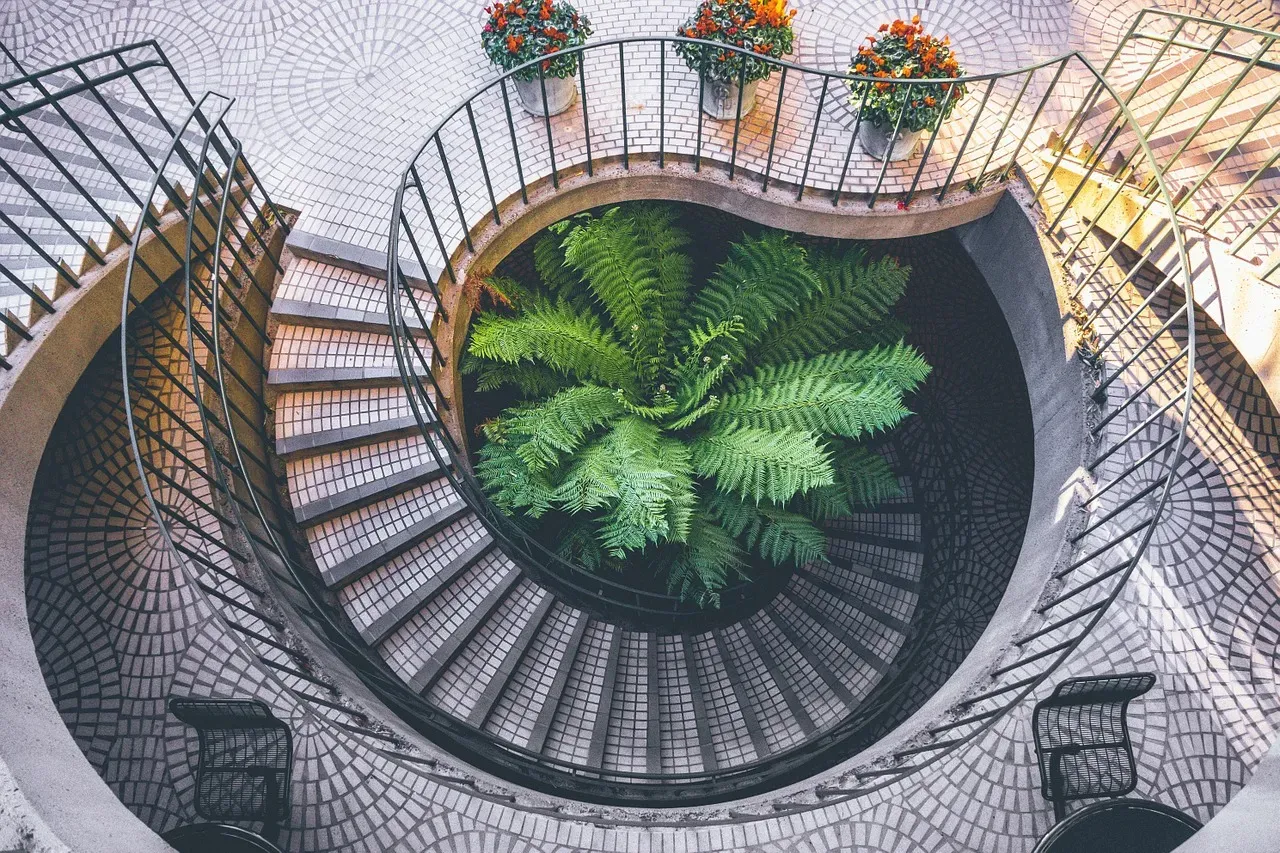
Cognitive capital also influences well-being. When the brain is no longer overloaded, emotional responses stabilise and people regain a sense of control. They feel more capable not because their workload has changed, but because the environment is aligned with the way their minds naturally function.
Design that protects cognitive capital becomes a strategic tool. It improves performance, supports healthier behaviour and raises the overall quality of daily experience. Whether in workplaces, homes or public settings, spaces that respect the limits of the mind enable people to use their abilities more fully.


