


Cities are frequently discussed as systems under strain rather than as places of everyday experience. The language of density, congestion and throughput dominates how urban life is understood, leaving little space for the more ordinary question of how it actually feels to move through a city on foot, day after day.
Yet anyone who spends time in cities knows that their character is shaped as much by small encounters as by grand plans. A street that briefly widens and allows someone to stop without being in the way. A view that opens unexpectedly between buildings. Light shifting across a façade and changing the tone of a familiar route. These moments arise from conditions that allow space to leave room for pause.
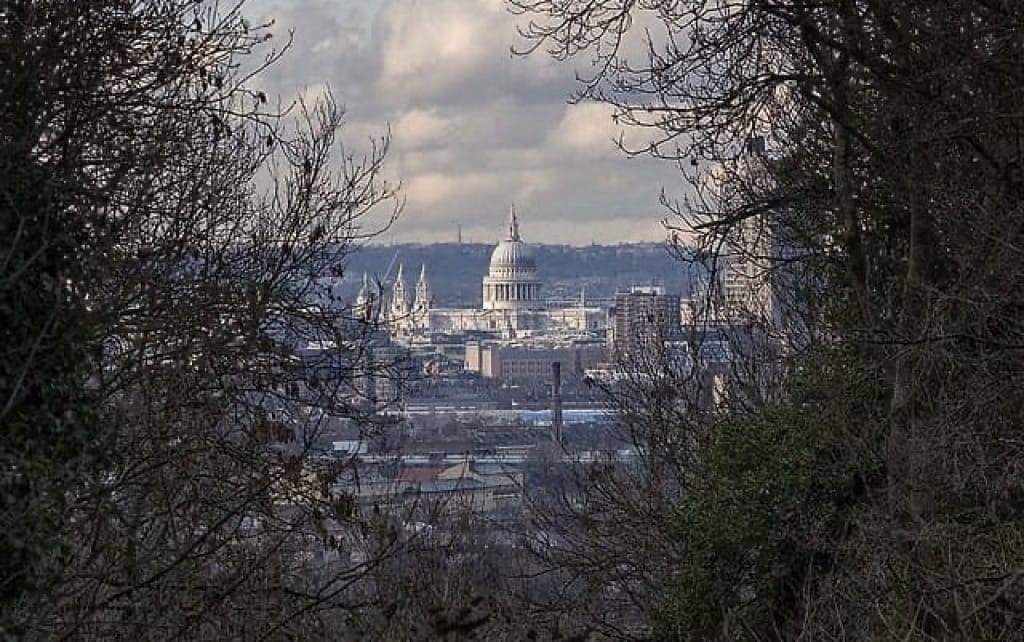
What makes these moments matter is their effect on attention. Urban life demands continual adjustment. People scan, anticipate, negotiate space and sound, often without realising how much cognitive effort this requires. Delight interrupts that state of readiness. It creates a pause in which the body settles and perception changes pace. The city becomes something to register rather than manage.
Much of this happens at transitions. Moving from narrow to open, loud to restrained, shaded to exposed. When these shifts are legible, they introduce rhythm into the city. Movement gains variation instead of becoming a continuous push forward. Where transitions are flattened or ignored, urban experience becomes uniform and tiring, even in places that appear visually successful.
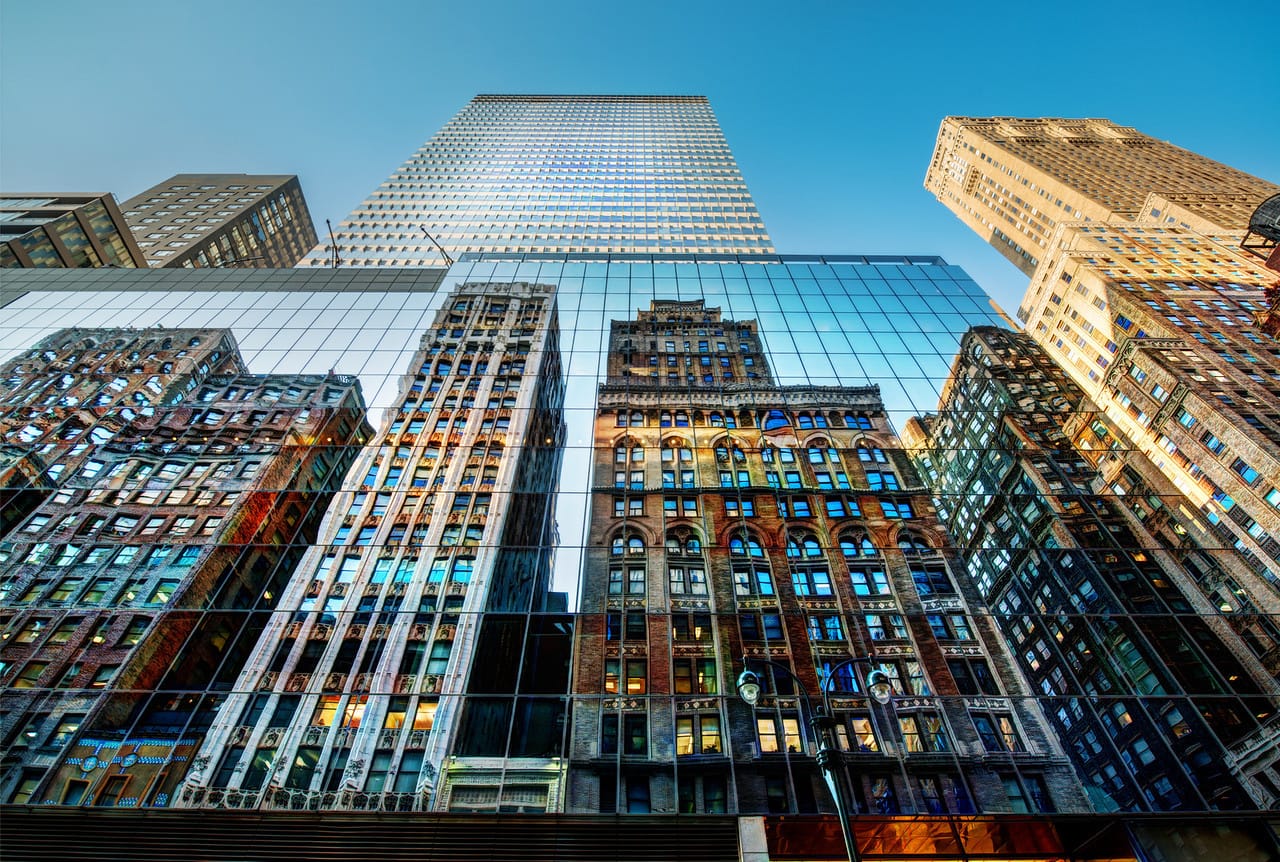
Materials play a decisive role in this experience. Surfaces that reflect sound and glare back at the body heighten intensity. Those that absorb light, carry texture or show signs of use tend to soften it. A handrail worn smooth, stone that holds warmth, timber that ages visibly. These details communicate that a place is meant to be lived with, not simply passed through.
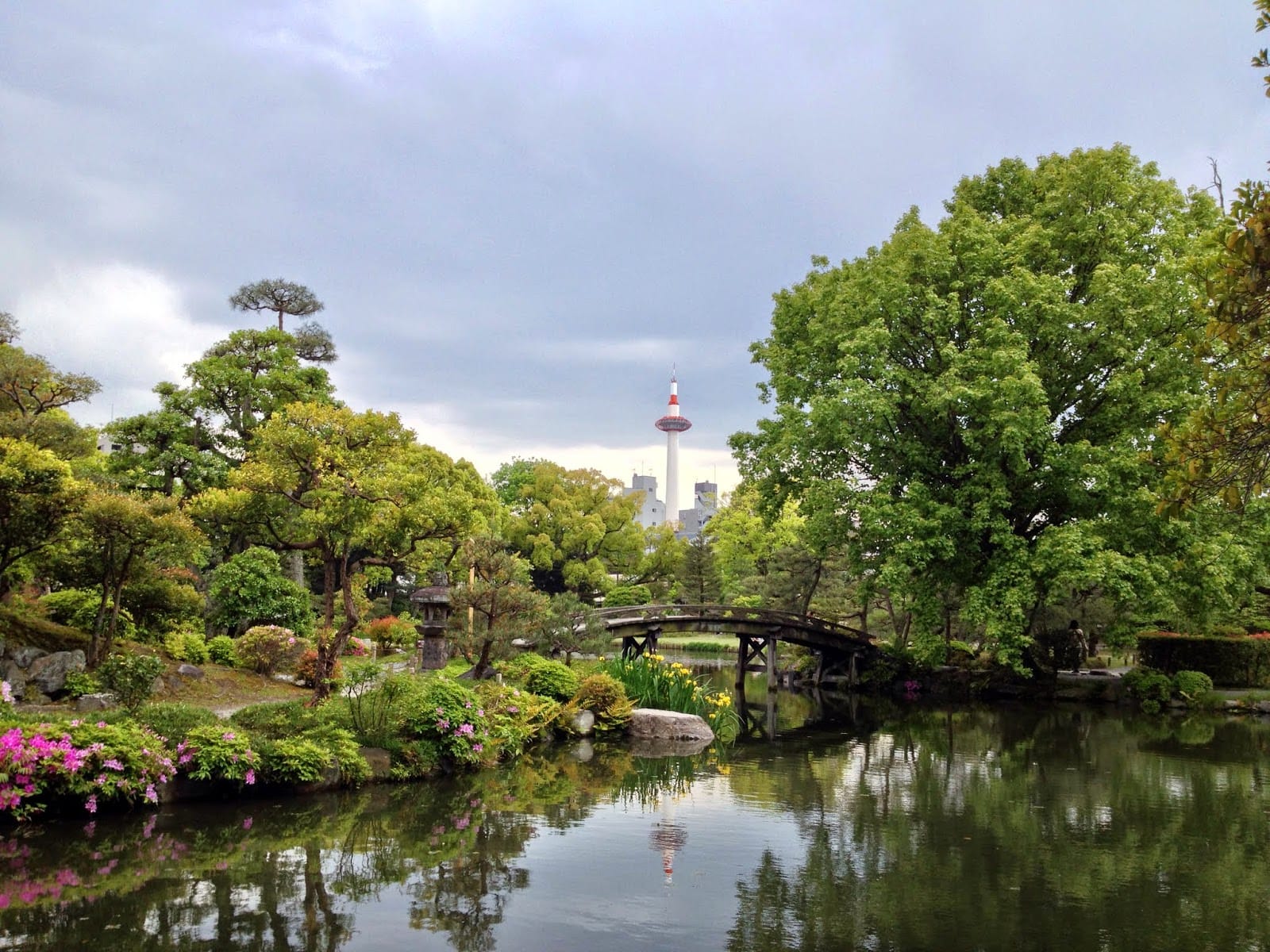
Nature offers another register of relief, though its presence does not depend on scale. A single tree along a habitual route can anchor a journey. Water glimpsed between structures can change the mood of a street. Seasonal change expressed through planting brings time back into environments that often feel static. These encounters reconnect urban life to cycles that move more slowly than traffic or schedules.
Social experience contributes in subtler ways. Delight often comes from the ability to sit without purpose, to watch without engaging, to share space without expectation. Cities that allow for this kind of presence tend to feel generous. They recognise that public life includes withdrawal as much as interaction.
The cities people remember most fondly are the ones that allow moments of ease to surface within the everyday. Streets and squares that support this become part of the fabric of daily life, accumulating meaning through repetition.
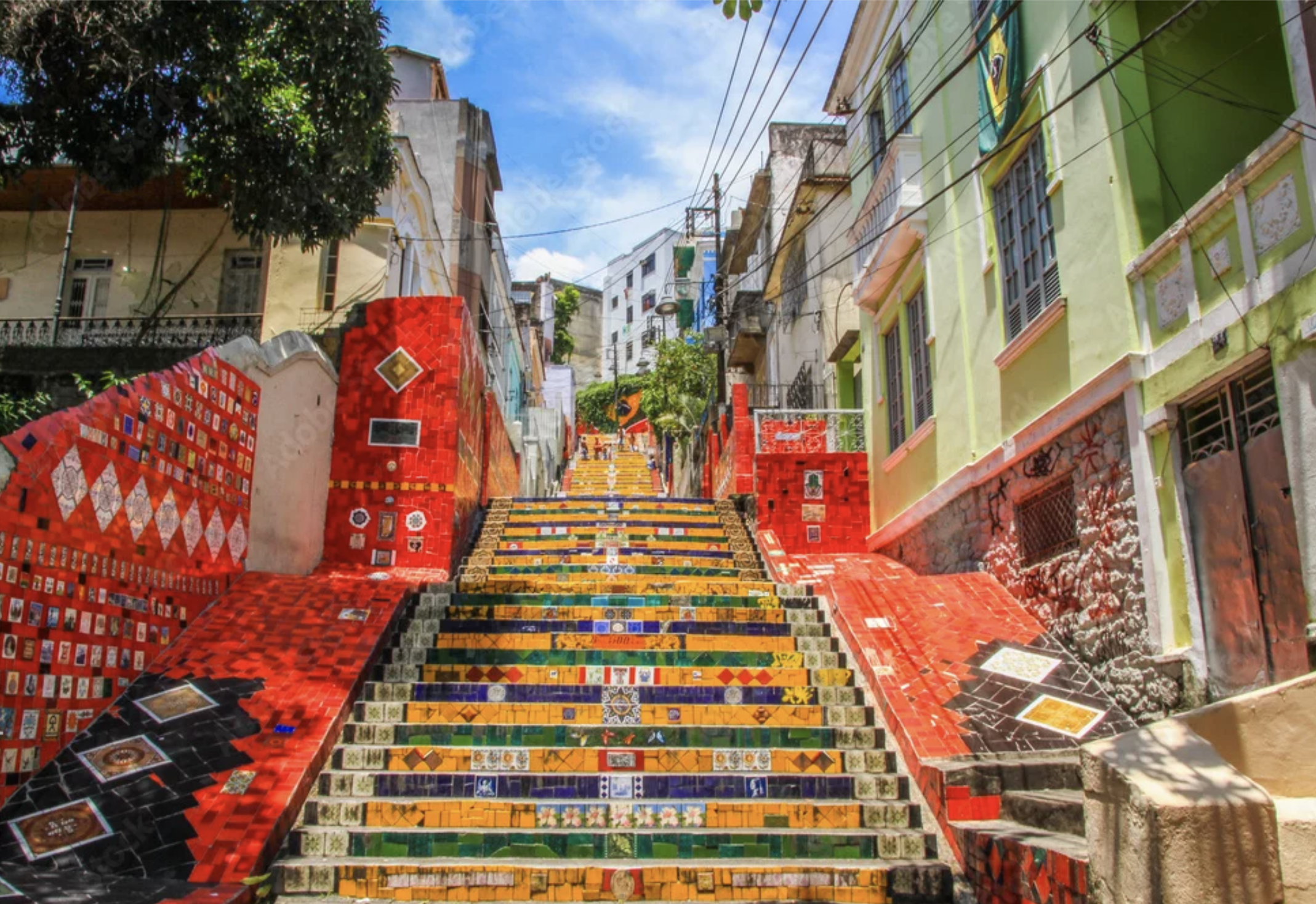
In a time when urban environments are increasingly evaluated through metrics and efficiency, delight can seem incidental. Yet it plays a central role in how people relate to the places they inhabit. It shapes attachment, memory and a sense of belonging. A city that makes room for delight therefore becomes more than something to endure; it becomes human.


