


Architecture and spatial design disciplines are often talked about in terms of form and appearance, yet the way a space feels can be just as meaningful as how it looks. Sensory design considers the wide range of human perception, not only vision and sound, but touch, scent, light and atmosphere. It understands that all of these signals shape how places and spaces are experienced.
People rarely notice how much their senses influence their emotional and cognitive state, but that influence is constant. Light affects energy and mood by interacting with biological rhythms. Surfaces and materials communicate warmth or coolness through touch. Sound and acoustics guide our sense of comfort or agitation. Scents can evoke memories or signal context. These elements do not operate in isolation; they interact in ways that shape presence and attention.
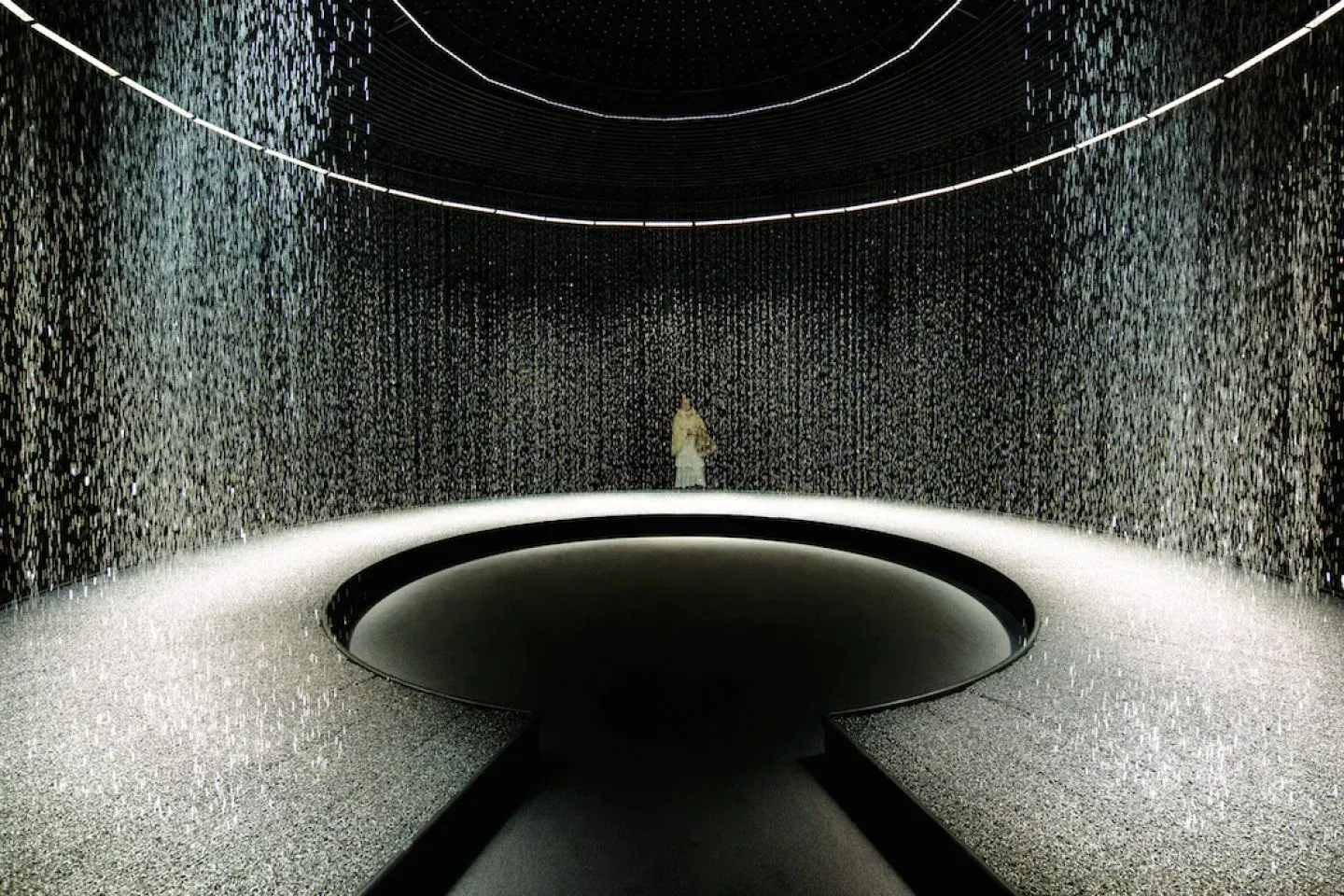
When sensory elements are considered intentionally, environments become richer and more responsive. A space can feel inviting, grounding, surprising or calming because of how light falls across a surface or how a texture changes beneath the hand. Thoughtful modulation of sensory cues can make circulation feel more intuitive, waiting areas feel less stressful and shared spaces feel more welcoming.
This approach also calls for sensitivity to nuance. Concrete, for example, can register as austere or cold unless balanced by texture, colour, daylight and softer stimuli. Colours are experienced beyond their visual qualities; they influence psychological perceptions of warmth and coolness and can subtly shape emotional tone. Understanding these nuances allows design to move beyond aesthetics toward lived experience.
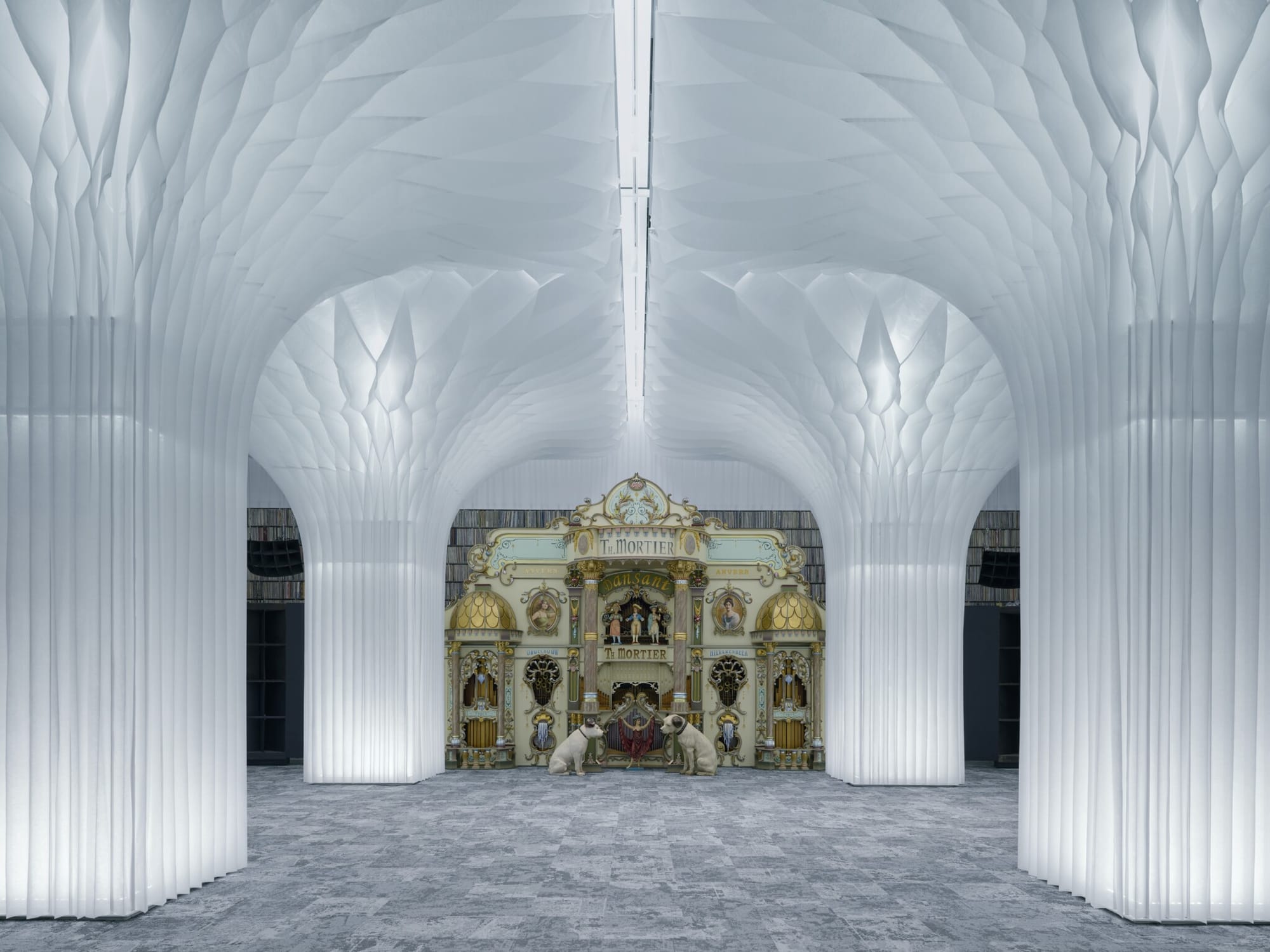
Sound in architecture extends beyond noise control. Carefully considered acoustic conditions can support calm focus, invite social interaction or add a layer of delight when playful or musical elements are integrated. Olfactory cues, when used with purpose, can anchor memory and enhance meaning in a way purely visual strategies cannot.
Design that embraces the full sensory range acknowledges how perception across modalities influences feeling, behaviour and memory. It moves architecture toward environments that are not simply seen but lived in and inhabited with awareness. As research on multisensory perception deepens, the role of sensory design continues to expand, shaping spaces that resonate more fully with the complexity of human experience.


