


The direction of spatial design in 2026 is being shaped by a significant reassessment of what it means to create places for contemporary life. The past decade was dominated by aesthetics and efficiency; the next is being shaped by cognitive performance, sensory health and the measurable impact that environments have on the human body and mind. Subjects that once sat at the fringes of design, including neuroscience, biophilic research, environmental psychology and spatial data, are moving to the centre.
One of the strongest developments is the rise of environments designed around mental load. Organisations are beginning to recognise that distraction, sensory fatigue and poor spatial coherence carry real costs. Spaces that once relied on visual appeal alone are being replaced by layouts that lower cognitive strain, create intuitive flow and support clear rhythms of work and restoration. The shift is profound, as both mental and physical wellbeing emerge as design values in their own right.
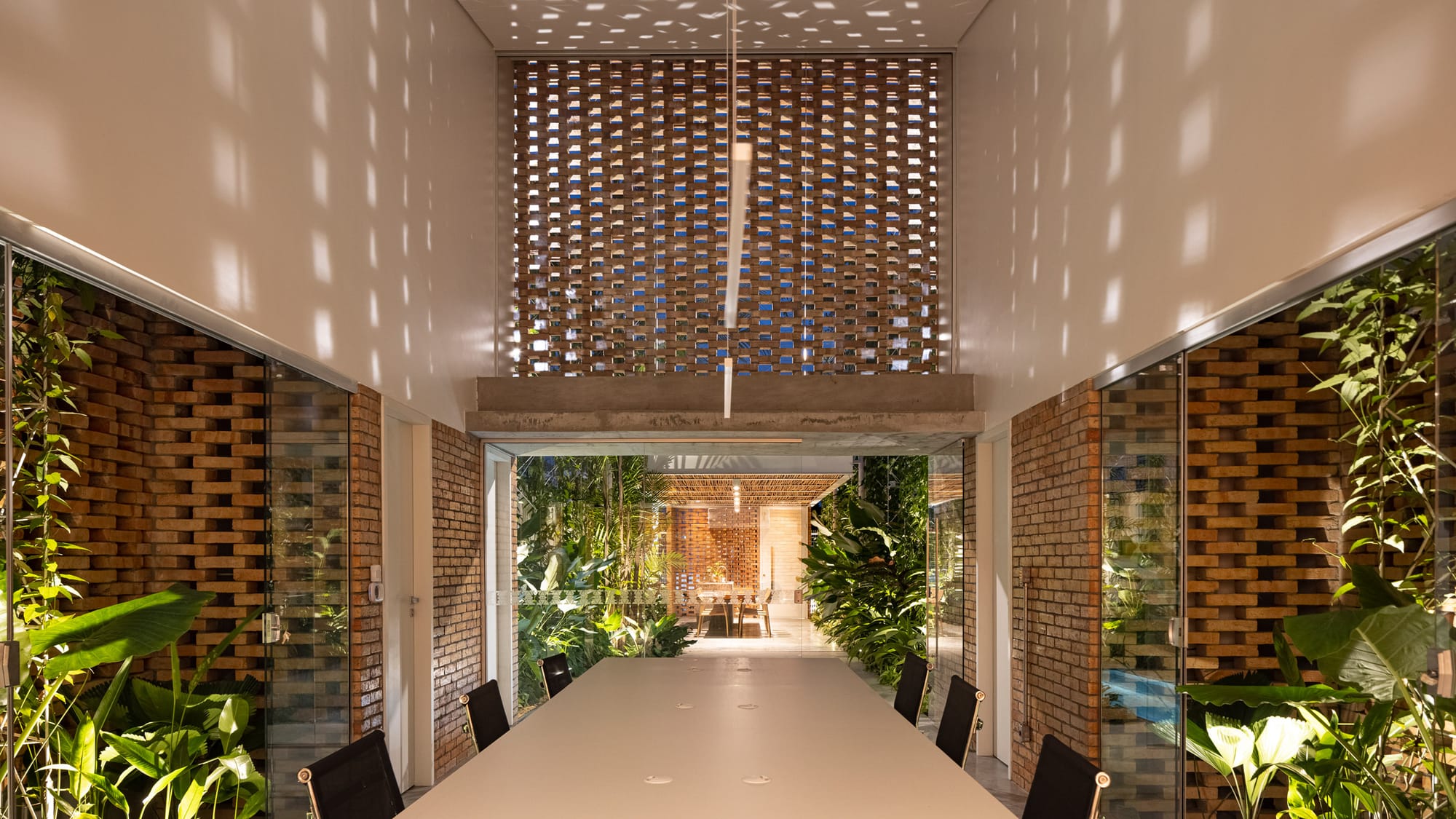
Another defining movement is the expansion of sensory regulation as a core design concern. Air quality, acoustic behaviour, spectral light quality and olfactory cues were once treated as technical considerations; now, they are treated as determinants of human function. Workplaces, homes and hospitality settings increasingly aim to stabilise the nervous system rather than stimulate it. This move reflects a growing awareness that chronic overstimulation from noise, glare and visual overload can undermine attention and emotional steadiness far faster than most people realise.
Nature continues to shape design, but with greater nuance than the superficial greenery of the past. The focus has shifted toward natural rhythms, fractal geometry, circadian alignment and the use of ecological cues to regulate the nervous system. These ideas, long supported by biophilic and neuroaesthetic research, are now appearing in mainstream practice as more people seek environments that feel restorative in a measurable way.
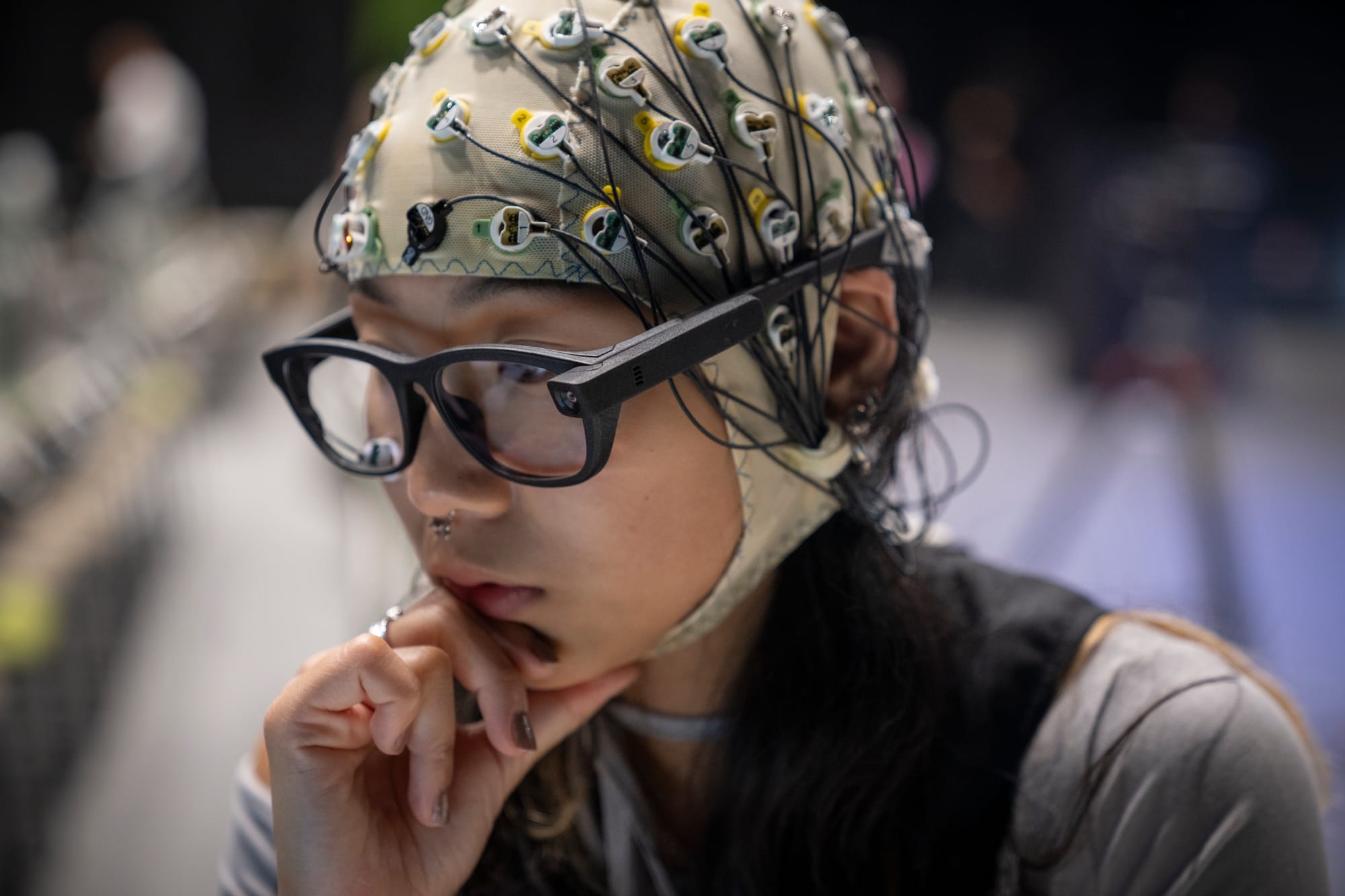
Data also plays a larger role. Wearables and environmental sensors are beginning to inform how spaces are evaluated. Instead of guessing why people feel drained in certain rooms or why focus collapses in the mid-afternoon, organisations are pairing biometric patterns with environmental conditions. This type of insight, once limited to specialist research is becoming commercially accessible, giving designers and leaders the ability to understand what an environment demands from its occupants.
There is also a growing shift toward environments that support embodied experience. Movement paths, tactile materials, postural cues and spatial transitions are receiving more attention, particularly in settings where people spend long hours seated or under pressure. Designers are recognising that the body mediates perception, and that physical stagnation has cognitive consequences.
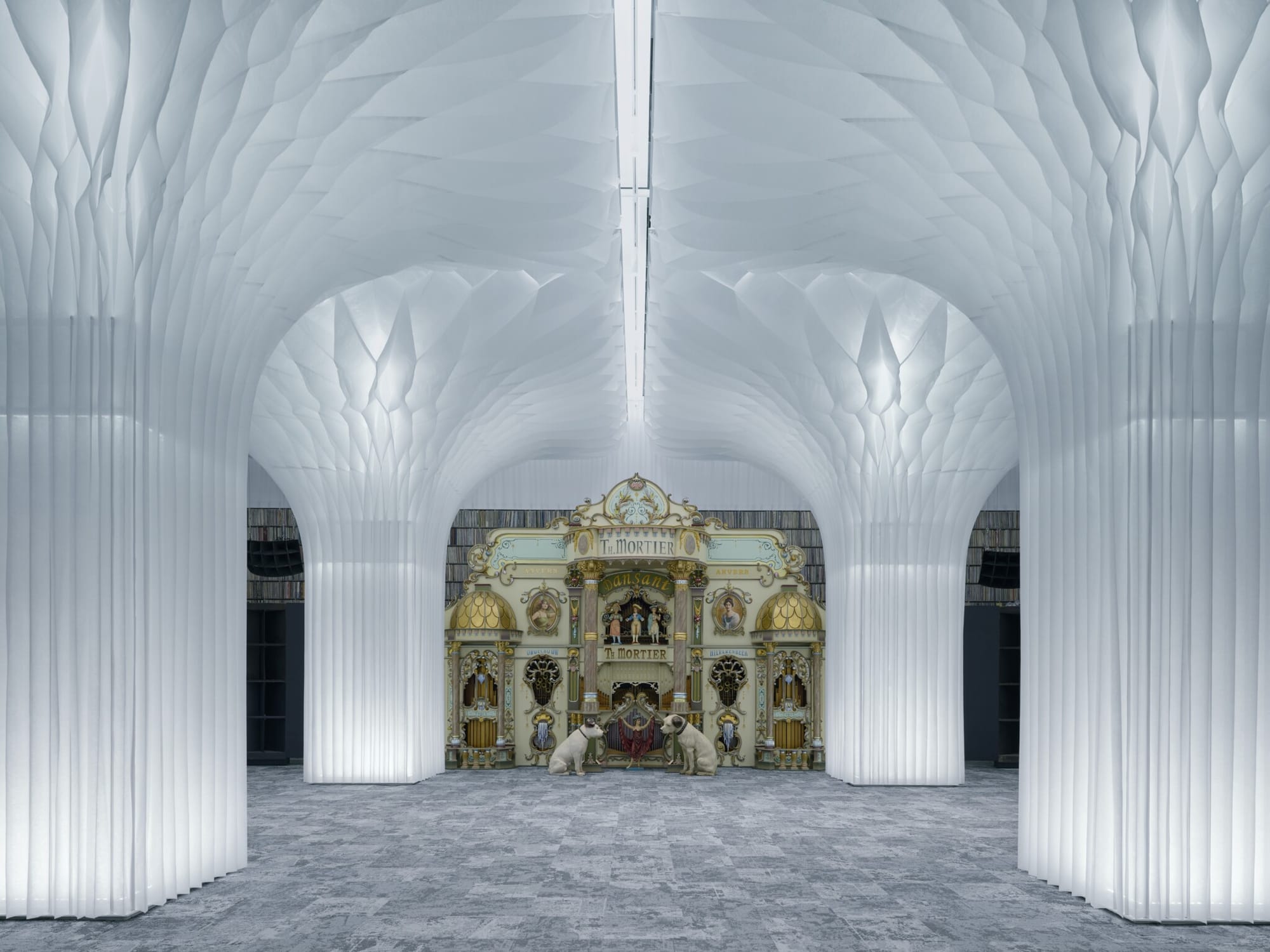
Perhaps the most significant trend is a cultural one: a rising expectation that spatial environments must now demonstrate their value. A beautiful space is no longer enough. The question is whether it supports human performance. As research spreads and tools mature, more people understand that spatial design is deeply tied to the way humans function and feel in their environments.
In 2026, these ideas are no longer niche. They are becoming the foundation of how forward-thinking design teams, organisations, developers and hospitality brands approach the built environment. The emerging direction is clear: spaces that respect the body and mind will outperform those that ignore it.


